
Understanding Stress and Anxiety
What are Stress and Anxiety?
Stress and anxiety are natural responses of the body to perceived threats or pressures in our environment. Stress refers to the body’s reaction to any change that requires an adjustment or response. It can be triggered by various factors, including work, relationships, and financial pressures. Anxiety, on the other hand, is a feeling of unease, worry, or fear, often regarding a future event. While occasional stress and anxiety are normal, chronic levels can be harmful to one’s mental and physical well-being, affecting daily life and relationships. Understanding these concepts is crucial for developing effective management strategies, especially for those who experience high levels of stress and anxiety.
Common Symptoms and Effects
The symptoms of stress and anxiety can manifest physically, mentally, and emotionally. Physically, common signs include headaches, gastrointestinal issues, fatigue, and difficulty sleeping. Mentally, individuals might experience issues with focus, memory, or decision-making. Emotionally, feelings of irritability, panic, or an overwhelming sense of dread are common. It’s important to note that these symptoms can vary greatly from person to person. Recognizing them early can lead to prompt intervention, enhancing the chances of managing stress effectively.
The Impact of Stress on Mental Health
Continuous exposure to stress has significant implications for mental health, often leading to anxiety disorders, depression, and burnout. Stress affects the brain, altering neurotransmitter levels and hormone regulation, which can exacerbate conditions like anxiety and depression. Long-term stress may also deplete resilience, making it difficult for individuals to cope with day-to-day stressors. Enhancing coping strategies is essential for mitigating these effects and fostering a healthier mental state.
Identifying Triggers and Responses
Common Triggers for Stress and Anxiety
Understanding the specific triggers for stress and anxiety is vital in addressing them. Common triggers include work deadlines, relationship conflicts, financial worries, health concerns, and major life changes such as moving or starting a family. Recognizing what specifically causes your stress can empower you to develop targeted coping strategies. Keep in mind that personal triggers may vary widely, and what affects one person may not affect another.
Recognizing Personal Responses
Recognizing how you respond to stress and anxiety is the first step toward effective management. Responses can be emotional (like irritability or sadness), physical (like a racing heart), or behavioral (like avoidance of situations). Self-awareness is crucial; it allows for the identification of patterns in behaviors and reactions, paving the way for change. Keeping track of these responses can also aid in understanding how stress impacts your daily life.
Journaling Techniques for Self-reflection
Journaling serves as an excellent tool to enhance self-reflection. By regularly writing down thoughts and feelings, you can identify stressors and emotional responses over time. Techniques such as gratitude journaling can shift focus from negative to positive experiences, helping to alleviate anxiety. Other strategies include free writing, where you write without judgment, or structured journaling, where you respond to specific prompts about your day or feelings. Regular journaling can provide clarity and promote emotional well-being.
Practical Tips for Managing Stress and Anxiety
Meditation and Mindfulness Exercises
Meditation and mindfulness practices have become increasingly popular as effective stress management tools. These techniques encourage individuals to focus on the present moment, promoting relaxation and reducing anxiety symptoms. Mindfulness can be practiced through various forms such as deep-breathing exercises, guided imagery, or body scans. Incorporating just a few minutes of mindfulness into your daily routine can make a significant difference in how you manage stress.
Physical Activities to Reduce Stress
Engaging in regular physical activity is one of the best ways to combat stress and anxiety. Exercise stimulates the production of endorphins, the body’s natural mood lifters, helping to alleviate feelings of tension. Aim for at least 30 minutes of moderate exercise most days, which could include walking, cycling, or participating in fitness classes. Finding an activity you enjoy will make it easier to stick with it, leading to long-term benefits.
Nutrition’s Role in Mental Wellness
What we eat plays a vital role in our brain’s health and our ability to cope with stress and anxiety. A balanced diet rich in whole foods, fruits, vegetables, lean proteins, and healthy fats can enhance overall well-being. Certain nutrients, such as omega-3 fatty acids, magnesium, and B vitamins, are particularly important for brain health. Avoiding excessive caffeine, sugar, and processed foods can help stabilize energy levels and minimize anxiety spikes.
Creating a Support System
Importance of Social Connections
Having a strong support system is essential for managing stress and anxiety. Close relationships—whether with family, friends, or support groups—offer emotional support and practical help during challenging times. Connecting with others can help share burdens, provide perspective, and create a sense of belonging. Additionally, engaging in social activities can improve mood and distract from stressors.
Effective Communication with Loved Ones
Communicating openly about feelings of stress and anxiety with loved ones fosters understanding and support. Explaining your triggers and how they affect you allows others to be more empathetic and helpful. Employing ‘I’ statements can facilitate this communication—expressing how you feel without placing blame or creating defensiveness, ultimately enhancing your support system.
Seeking Professional Help
Sometimes, stress and anxiety can feel overwhelming, and seeking professional help may be necessary. Mental health professionals can provide therapeutic techniques tailored to individual needs, including Cognitive Behavioral Therapy (CBT), which helps modify negative thought patterns. Joining support groups can also connect you with others experiencing similar challenges. Remember, reaching out for help is a sign of strength—it can lead to valuable coping strategies.
Maintaining Long-term Well-being
Establishing Healthy Routines
Establishing and maintaining healthy routines is key to long-term well-being. Structured daily activities create a sense of normalcy and predictability, which can alleviate anxiety. Routine practices such as regular sleep schedules, balanced diets, and exercise can help build resilience against stress. Setting goals and planning time for self-care activities also enhances overall mental health.
Continuously Monitoring Your Stress Levels
Ongoing self-assessment of stress levels and responses is vital. Keeping a stress diary can help track triggers and symptoms, leading to heightened awareness about personal limits. Regularly assessing well-being ensures that necessary adjustments can be made proactively before stress escalates. Self-reflection, using techniques like meditation or journaling, can also foster self-awareness and emotional intelligence.
Adapting to Life Changes
Life is full of changes, some of which can be significant stressors. Learning to adapt to changes—as with loss, new jobs, or moving—plays an essential role in maintaining mental wellness. Building adaptability involves fostering resilience and developing coping strategies that work for you. Embracing flexibility and accepting change as a part of life can ease transitions and reduce anxiety.
Frequently Asked Questions
What are the main causes of stress and anxiety?
The primary causes of stress and anxiety involve factors like work pressure, relationship conflicts, financial issues, health concerns, and major life transitions.
How can I identify my stress triggers?
Identifying stress triggers can be achieved through self-reflection, journaling, and mindful awareness of how certain situations affect your mood and wellbeing.
What are some quick techniques to reduce anxiety?
Quick techniques for anxiety relief include deep breathing exercises, grounding techniques, physical activity, and practicing short mindfulness exercises.
When should I seek professional help for stress?
If you find that stress and anxiety are significantly impacting your daily life, relationships, or mental health, consider seeking professional help for effective coping strategies.
How can I maintain long-term mental wellness?
Long-term mental wellness can be supported through healthy routines, strong social connections, regular physical activity, proper nutrition, and continuous self-assessment of stress levels.
Related Posts

Why You Should Consider to Buy DMT: Benefits and Insights
Understanding DMT: What Is It? What is DMT and its…
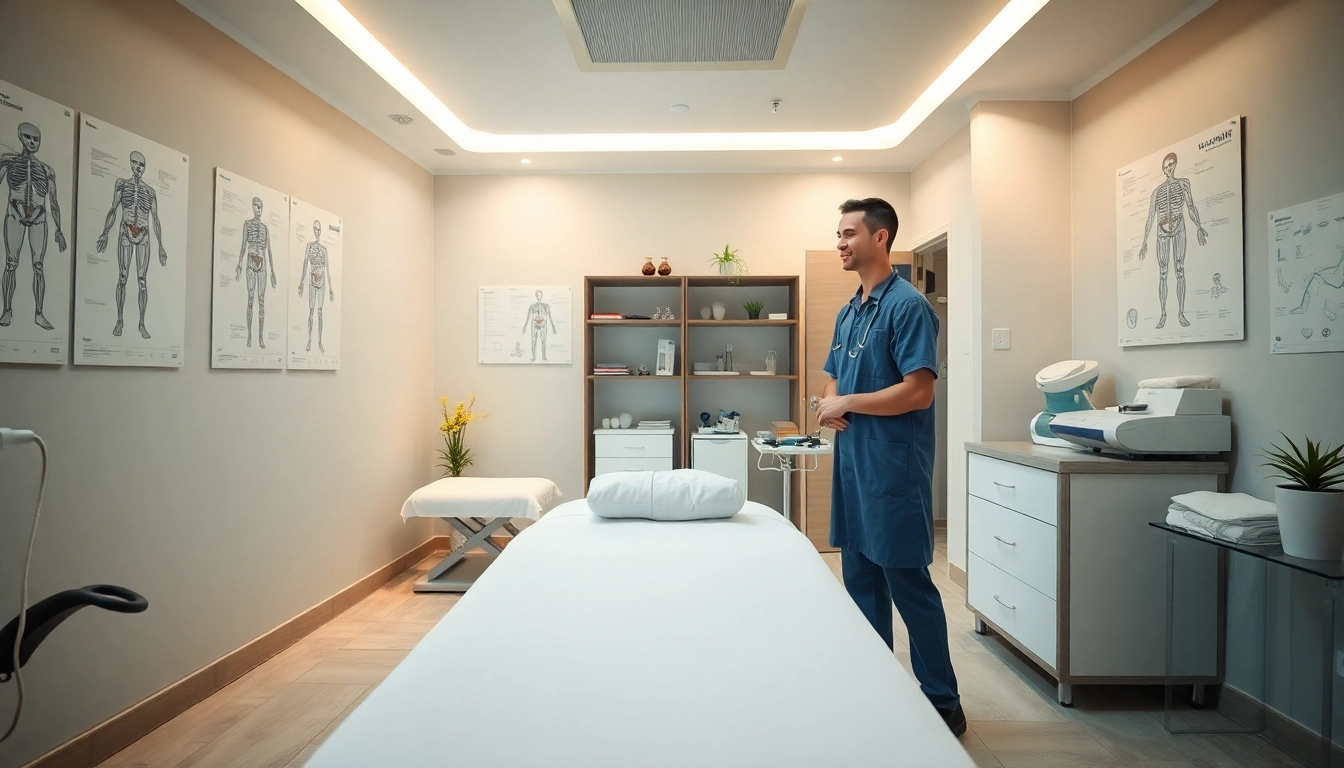
2026年の八千代市整骨院の必須ガイド: 専門的ケアを発見する
八千代市整骨院のサービスを理解する 八千代市で整骨院を探す際、提供されるサービスや治療内容についての理解は非常に重要です。整骨院は通常、痛みの緩和、リハビリテーション、身体の不調改善を目的としたさまざまな施術を行います。特に、八千代市の整骨院では、地域特有のニーズに応えたサービスが展開されています。例えば、八千代市整骨院では、個々の患者の症状に合ったオーダーメイドの施術を行い、最適な治療プランを提供しています。 提供される治療は何ですか? 整骨院では主に、急性の痛みや慢性的な症状に対して、手技療法や物理療法を用います。具体的には、以下のような治療が行われています: マッサージ療法 運動療法 鍼灸療法 電気療法 これらの治療法を組み合わせることで、患者一人一人の症状に応じた最適なアプローチが可能になります。 地元のクリニックを選ぶメリット…

Ottimizza la tua conoscenza su myfda: Guida per professionisti del settore medico
Introduzione a myfda: Cos'è e perché è importante Che cos'è…